
Launching a AI startup used to mean raising money, hiring teams, and spending months on development. In 2025, Artificial Intelligence has completely changed that.
Today, anyone — with no coding skills or funding — can build an AI-powered startup from home using free tools, smart systems, and automation. What once required thousands of dollars and months of work now takes days.
This article breaks down how these accessible startups work, what models succeed fastest, and the exact tools you can use to start one yourself.
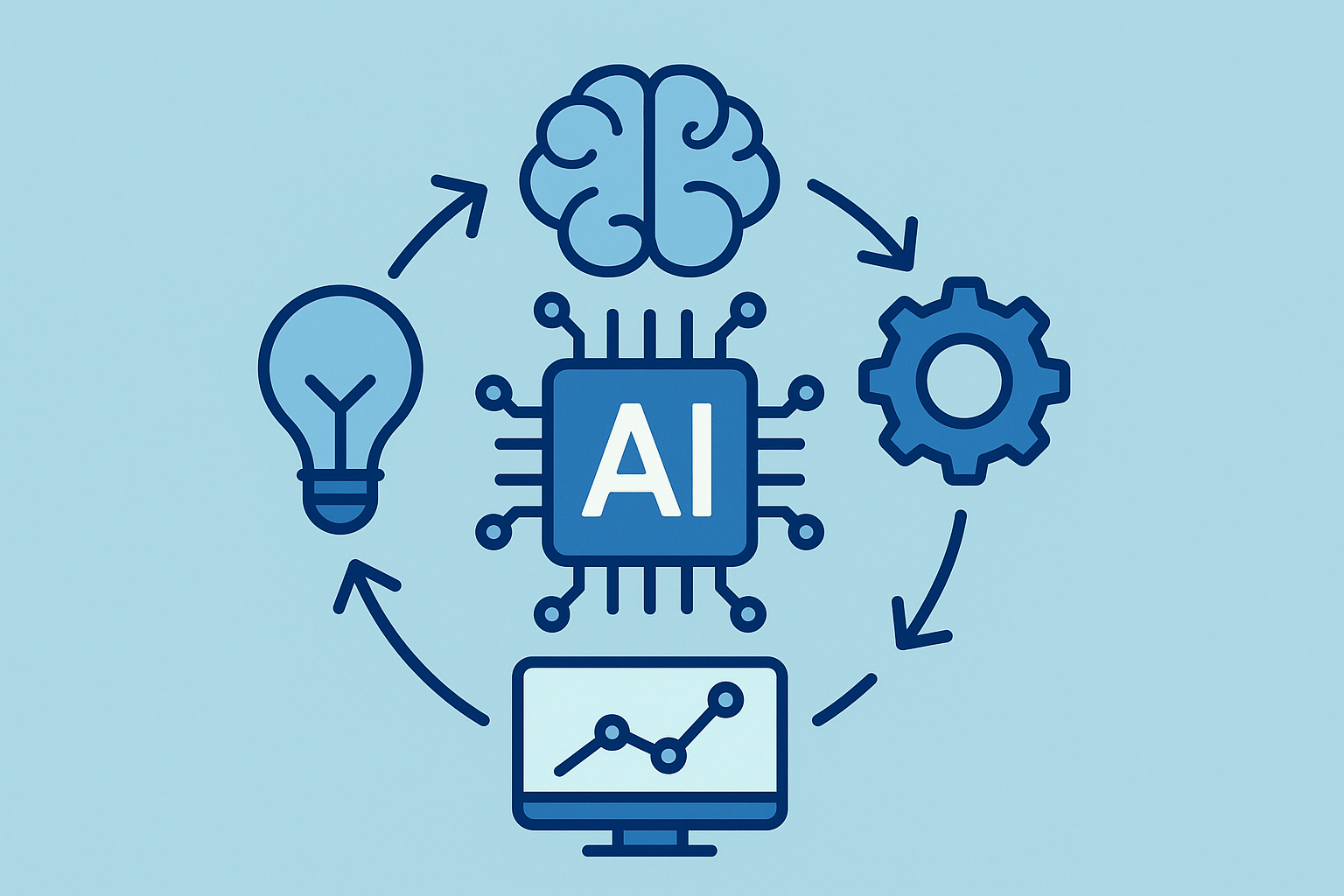
Why AI Startups Are Easier Than Ever
AI is leveling the field. It now handles everything from writing and marketing to coding and customer support. That means founders can focus on ideas and strategy instead of technical complexity.
Unlike traditional startups, which rely on big teams and capital, AI startups scale through automation and cloud systems. One person can now operate an entire SaaS, agency, or media brand alone.
| Element | Traditional Startup | AI Startup |
|---|---|---|
| Cost | $20,000+ | <$100 |
| Time to Launch | 6–12 months | 2–4 weeks |
| Team | 5–10 people | 1–2 founders |
| Tools | Custom-built | AI platforms |
That’s why thousands of creators are turning into AI entrepreneurs in 2025.
Step 1: Choose a Model You Can Build Fast
There are three AI startup types that work especially well for beginners:
1. AI-Powered Services
Use ChatGPT, Make.com, and Perplexity to offer automated content creation, marketing, or reporting for clients. You sell the result, not the process.
Example: “AI Blog Agency” — delivers SEO blog posts and visuals generated entirely with ChatGPT and Ideogram.
2. Micro SaaS Tools
Create simple web apps using platforms like Glide, Bubble, or Softr connected to AI APIs. These apps solve one small problem — and can earn passive revenue fast.
Example: “AI Resume Builder” — built with ChatGPT and Glide in under a week, monetized via $5 monthly plans.
3. Digital Product Startups
Package AI-created templates, prompts, or guides. Sell them through Gumroad or Etsy. These are perfect for solo creators who prefer automation over service work.
Example: “Prompt Packs for Marketers” — 100 ChatGPT prompts sold as a digital download.
Step 2: Use Free AI to Build Everything
The beauty of AI startups today is that every function can be automated with the right tools — no coding or employees needed.
ChatGPT (Free or Plus) – Planning, writing, coding snippets, and client communication.
Perplexity AI – Market research and competitor analysis.
Make.com – Automation engine connecting all your tools.
Ideogram / Leonardo AI – Brand visuals, logos, and marketing assets.
Glide / Bubble – Build apps with drag-and-drop AI logic.
Canva Magic Studio – Design, formatting, and social media posts.
These tools work together to replace departments: content, marketing, design, and operations.
| Department | AI Tools | Cost |
|---|---|---|
| Marketing | ChatGPT + Ideogram | Free |
| Operations | Make.com + Notion AI | Free |
| Design | Canva + Leonardo AI | Free |
| Research | Perplexity AI | Free |
You only pay with time and creativity — not cash.
Example A — The One-Person “AI SaaS”
A creator in France built a web app that writes Instagram captions using ChatGPT’s API and Bubble. It took three days.
He then added Stripe for payments and launched on Product Hunt. Within a month, 1,200 users had signed up, and 90 bought the $9/month premium plan.
| Metric | Result |
|---|---|
| Users | 1,200 |
| Paying Subscribers | 90 |
| Monthly Revenue | $810 |
| Cost | $12/month |
This simple AI tool now runs fully automated, generating income without ongoing work.
Example B — The “AI Services” Startup
A marketing student in Mexico started an AI automation studio. He offered workflow setups for small e-commerce stores — connecting ChatGPT, Gmail, and Google Sheets via Make.com.
Each project took under three hours to deliver.
| Clients per Month | Average Fee | Total Income |
|---|---|---|
| 10 | $250 | $2,500 |
Everything ran from a laptop — no employees, no office, no overhead.
Step 3: Automate to Scale
The biggest advantage of AI startups is scalability. Once you find a working model, automation lets you grow without adding people or complexity.
Here’s what scaling looks like:
- Automate Delivery – Use Make.com to handle fulfillment and communication.
- Automate Marketing – Schedule social posts with Notion AI or Buffer.
- Automate Analytics – Track traffic and sales using Google Sheets + AI scripts.
The system runs like a machine. You become the strategist, not the operator.
| Process | Tool | Result |
|---|---|---|
| Emails | Make.com | Auto responses |
| Sales tracking | Notion AI | Instant reports |
| Marketing | ChatGPT + Canva | Weekly automation |
That’s how small AI startups generate big returns with tiny teams.
Example C — The Digital Product Business
A designer used ChatGPT and Ideogram to create an “AI Branding Kit” — including logo templates, color palettes, and slogans. She listed it on Etsy for $25.
In her first month, she sold 180 copies.
| Product | Price | Sales | Income |
|---|---|---|---|
| AI Branding Kit | $25 | 180 | $4,500 |
All products were automated through Make.com and delivered instantly upon purchase.
Benefits, Limits, and Risks
AI startups are fast and lean, but they still require structure. Many fail because founders skip testing or depend on one platform.
| Aspect | Insight |
|---|---|
| Biggest Gain | Launch a full startup in weeks |
| Main Constraint | Needs consistent refinement |
| Risk to Watch | Market saturation and tool limits |
The best founders stay adaptive — updating systems, testing new tools, and evolving before trends peak.
Conclusion
AI startups are no longer reserved for developers or investors. With free tools, automation, and creativity, anyone can build one from home — fast.
Whether you sell digital products, automate services, or launch micro-SaaS tools, the blueprint is the same: connect simple systems that scale themselves.
The future of entrepreneurship is here — and it’s powered by AI you already have access to.
Further reading: